







Search Results for: Milk Froth Temperature

How to judge the milk froth steaming level for a latte versus a cappuccino, and the specific impact of milk froth on coffee taste
Many people, when tasting a latte made with Front Street Coffee, notice a distinct sweetness even without adding sugar. This is not the barista's magic, but the natural sweetness that arises when lactose in milk breaks down during heating and blends with the acidity of the espresso. The degree to which the milk foam is steamed, the temperature control, and the angle at which the steam wand is operated all directly affect the sweetness and mouthfeel of the cup. This article starts from the mechanism by which milk becomes sweeter when heated, analyzes the basic principles of steaming milk foam, explains the optimal steaming temperature range and steam wand placement techniques, and further explains why 50°C to 55°C is the ideal drinking temperature for latte, helping coffee enthusiasts more accurately grasp the influence of milk foam on flavor when making and tasting. [more…]

How to Fix Poor Milk Froth Flow for Latte Art? A Full Analysis of Why Latte Milk Froth Is Too Thick and Adjustment Techniques
The charm of latte art has drawn many coffee enthusiasts into the world of espresso, yet in practice, poor milk foam流动性 and over-texturing are hurdles almost every beginner encounters. When the foam is too thick to pour, the pattern blurs into a mess—where exactly does the problem lie? Starting from the principles of milk steaming, this article carefully analyzes the common causes of insufficient milk foam fluidity, including key factors such as air intake control, temperature ranges, and milk selection, and offers specific remedies for when latte foam has been over-textured. The article also combines Front Street Coffee's espresso bean recommendations to help readers avoid detours in practice and gradually pour their ideal patterns. [more…]

Latte Art Milk Froth Techniques | How Can Coffee Beginners Steam Silky Milk Froth? Which Espresso Beans Are Suitable for Latte Art?
Walking into a coffee shop, many people will choose a fancy coffee based on espresso, such as a latte, cappuccino, americano, etc. Each coffee has its own unique flavor, such as the perfect blend of coffee and milk in a latte, the thick milk foam of a cappuccino, and the light and mild taste of a flat white, all of which [more…]
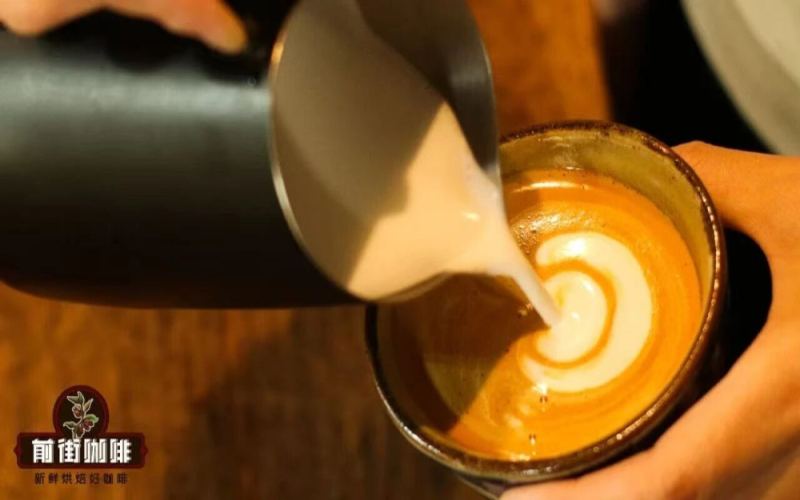
The Complete Guide to Steaming Latte Milk Froth: From Protein Structure to Pouring Technique, Preventing Froth Collapse
Freshly steamed milk foam is dense and glossy, and the latte art takes shape smoothly, but in the blink of an eye, sunken "craters" appear on the surface, and the pattern blurs and distorts along with them. This rapid collapse of milk foam troubles many latte enthusiasts. To solve this problem, it is necessary to start with the principles of foaming and foam stabilization by milk proteins, then troubleshoot the details in the steaming process one by one, such as temperature, steam moisture content, and the force of tapping the pitcher, while also paying attention to the crema condition of the espresso and the pouring technique. This article systematically sorts out the various causes of milk foam dissipating and provides actionable improvement suggestions to help you make fine, delicate milk foam that lasts. [more…]
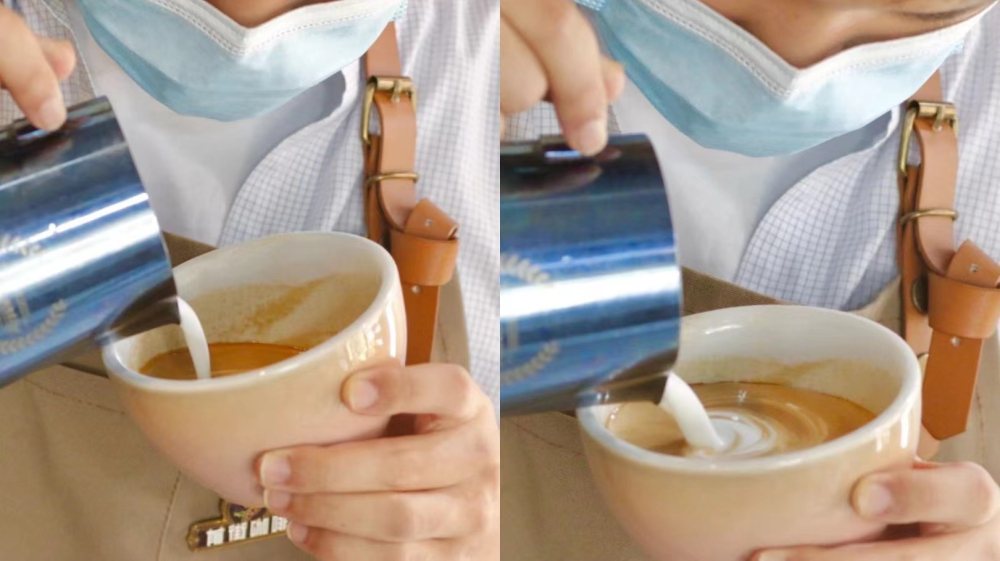
Australian White Milk Coffee Ratio | What Are the Characteristics of Flat White's Milk Foam? How Do Coffee Beginners Froth Milk? How Can Beginners Make a Standard Australian White?
Everyone knows that making espresso milk coffee requires espresso and milk, and there are many types of milk coffee, such as latte, mocha, cappuccino, etc., which use different ratios of espresso and milk. So in this article, Front Street Coffee wants to give everyone [more…]
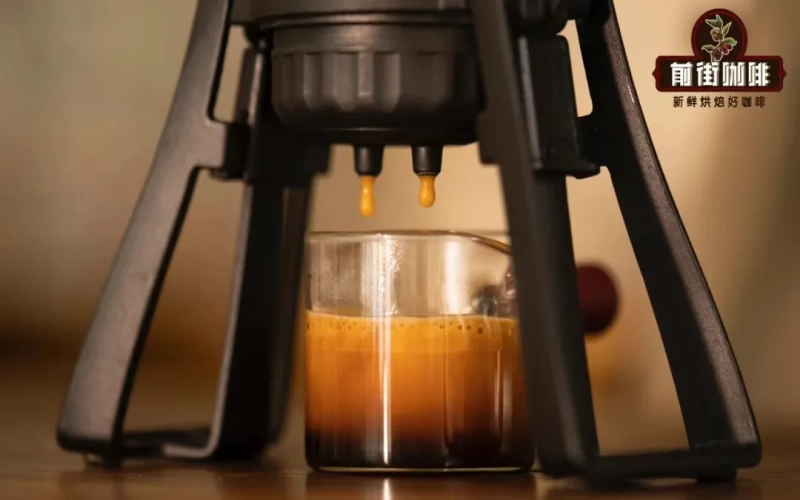
How to froth latte milk foam at home? How to deal with milk foam that is too thick? What is the appropriate milk temperature for cappuccino?
Nowadays, high-pressure extraction tools such as manual presses and dual-valve moka pots are emerging one after another. Even without an expensive fully automatic or semi-automatic espresso machine, you can still make a cup of strong coffee at home that is close to espresso flavor. However, these devices cannot directly provide milk foam like a coffee machine. If you want a "latte" or "cappuccino" with a velvety texture, you still need to find another way. In this article, Front Street will guide you through the principles of milk foam formation, teach you step by step how to make milk foam at home with an electric milk frother, answer common questions such as foam that has been whipped too thick or has a rough surface, and finally discuss the optimal temperature of milk for cappuccino. [more…]
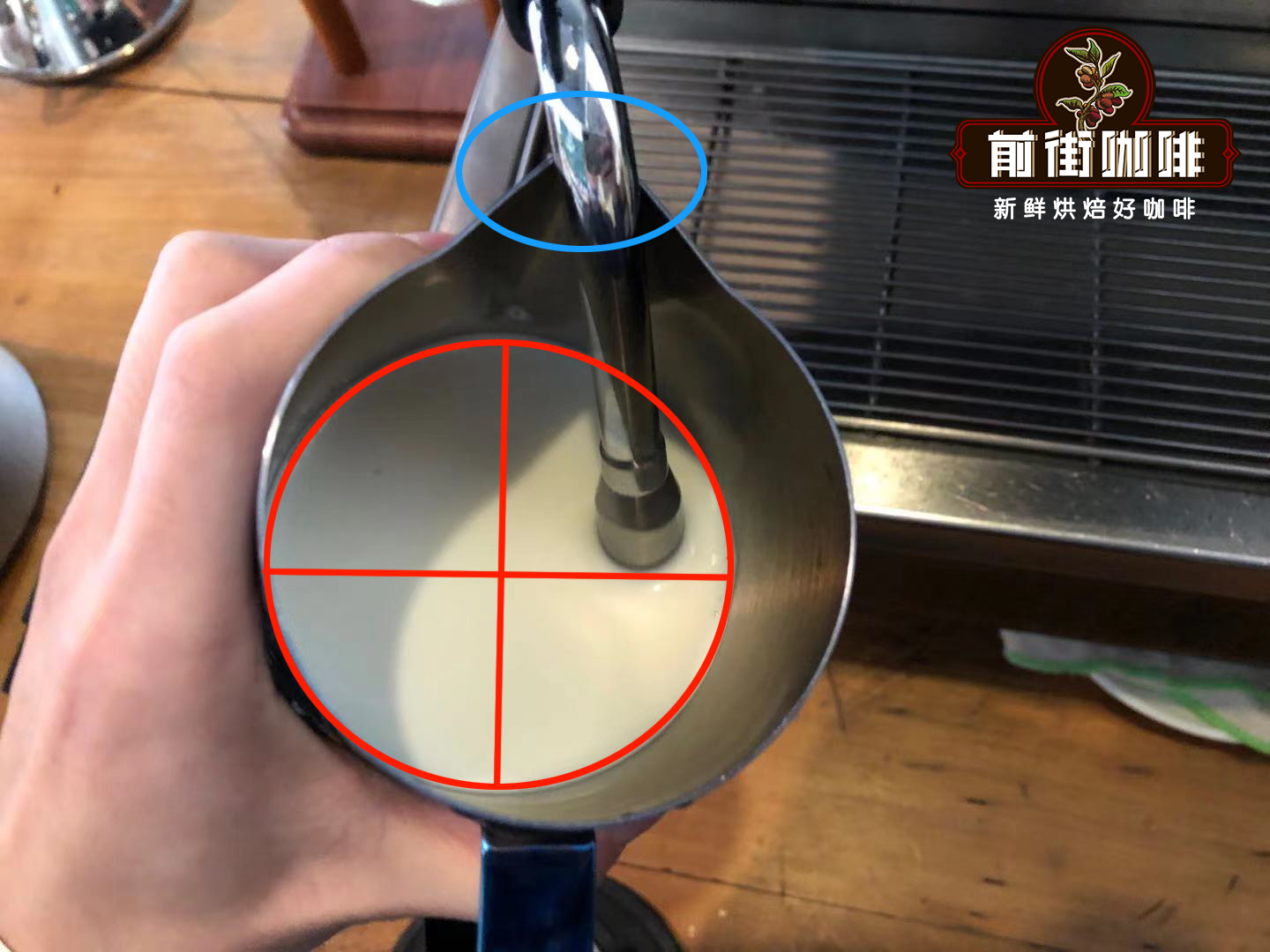
The Correct Way to Froth Milk | Which Type of Milk Keeps Coffee Foam Lasting Longer? What Techniques Must Beginners Master to Make Latte Art?
Many people struggle to froth milk properly when they first start learning latte art. In fact, the quality of the milk also affects how easy it is to froth. Front Street Coffee would like to introduce a few types of milk that are easy to froth! In the eyes of baristas, milk is divided into ambient milk and chilled milk, whole milk and skim milk. When making coffee la— [more…]

Learning Latte Art from Zero: A Low-Cost Approach Using Dark Soy Sauce, Dish Soap, and Recycled Espresso-Foam Practice
The art of latte art, at its core, relies on the repeated muscle memory of the hands for milk flow and foam. But if every practice session requires freshly pulled espresso and freshly steamed milk, the cost is high, and it's truly a waste to pour out what can't be finished. So many coffee enthusiasts have figured out some money-saving yet practical practice routines to minimize waste. In this article, Front Street Coffee will explain how coffee shops practice latte art in their daily operations: we'll introduce the choice of espresso beans suitable for latte art, share how to froth milk with a French press when there's no espresso machine, and break down in detail two low-cost practice methods—using dark soy sauce with dish soap, and recycling espresso with milk—to help you build up your latte art skills step by step at home. [more…]
Zero experience? You can still practice latte art: cocoa powder dusting, water sprinkling, and reuse methods—the complete low-cost guide to practicing latte art.
Want to practice latte art well but hate watching espresso and milk go down the drain with every cup? In fact, many coffee enthusiasts have long since figured out a money-saving, no-waste way to practice. In this article, Front Street Coffee will share several low-cost latte art practice solutions: from the dark soy sauce plus dish soap combo that even complete beginners can handle, to the reusable espresso-and-milk cycling method, and we'll also answer how to froth milk with a French press when you don't have an espresso machine. We'll also recommend espresso beans suitable for latte art, helping beginners build up their hands' muscle memory for milk foam step by step while keeping costs under control, so that every practice session gets closer to coffee shop quality. [more…]

Key Points for Making a Latte | What Milk Froth Temperature Is Suitable for an Espresso Latte? How Can Coffee Beginners Control the Steaming Temperature of Coffee and Milk?
As the temperature drops, more and more customers at Front Street Coffee shops are ordering hot milk coffee. The steamed sweet milk blended with espresso creates a cup of smooth, fragrant hot latte that truly brings a lot of warmth. To keep the hot latte from cooling down too quickly after serving, some friends steam the milk to a higher temperature. At this point, getting the milk temperature just right is especially important. [more…]
The Complete Guide to Steaming Milk for Espresso Machines: From Beginner Steps to Milk Froth Texture Assessment and Latte Art Techniques
Want to make a latte at home with an espresso machine? Steaming silky, smooth milk foam is a key step. Many people think steaming milk is as simple as sticking the steam wand into the milk, but in practice they often run into problems like splashing milk, coarse foam, and overheated milk. This article starts with how to use the steam wand correctly and then breaks down the complete milk-steaming process step by step, including how to purge condensate from the wand, how to find the right air-intake position, when to bury the nozzle deeper, and what temperature range is most suitable. It also shares tips for judging foam quality and things to watch out for in the daily cleaning of the steam wand. The equipment-selection advice and operating details mentioned in the article are useful reference for both beginners and advanced enthusiasts. [more…]

What Conditions Should Latte Art Milk Froth Meet? Analyzing the Key Points and Practical Techniques of Milk Steaming
Whether a latte art coffee looks good depends not only on the barista's skill, but also crucially on the quality of the milk foam. So what kind of milk foam is suitable for latte art? Front Street Coffee believes that ideal latte art milk foam needs to meet three core conditions: good fluidity, a fine and smooth texture, and a water content that is not too high. Fluidity is closely related to foam thickness—too thick and it becomes hard to flow, too thin and the patterns tend to float unstably; fineness depends on the length of the texturing time—the longer the time, the denser the bubbles; and water content is related to the steaming time—steaming too long dilutes the milk, causing the foam to atomize during pouring and the pattern to blur. This article will explore these three dimensions, explaining in detail how to produce high-quality milk foam suitable for latte art by controlling aeration, bracing the pitcher for stability, and adjusting milk temperature, along with practical tips shared by Front Street Coffee. [more…]

Judging Milk Foam by Sound: Practical Tips for Using the Steam Hiss to Gauge Froth Thickness and Density
When steaming milk, the sound made by the steam wand actually holds important clues for judging the condition of the milk foam. Many people practicing latte art easily run into problems such as foam that is too thin, too thick, rough, or separated, and one of the keys to solving these problems lies in the "hiss~ hiss" sound made during milk steaming. This article starts from the principle of steam intake, explains the milk foam states corresponding to different sounds, and, through an experiment comparing short bursts of hissing with prolonged hissing, explains how to use the length of the sound to control the amount of air intake, ultimately producing ideal milk foam that is fine, smooth, highly fluid, and suitable for latte art. The article also retains Front Street Coffee's related recommendations and address information, making it suitable for coffee enthusiasts to refer to during daily practice. [more…]

Fancy Coffee Making Tutorial | How to make a latte with latte art just like at a coffee shop at home? How to froth latte milk foam well? What are the key points for frothing milk foam for latte art in a latte?
Walking into a café, many people choose a fancy coffee based on espresso, such as a latte, cappuccino, or americano. Each coffee has its own unique flavor, like the perfect blend of coffee and milk in a latte, the thick milk foam of a cappuccino, and the light and smooth taste of a flat white, all [more…]

The Complete Guide to Latte Art: Key Techniques for Milk Foam, Crema, and Coffee Bean Selection
To create a beautiful latte art cup, passion alone is far from enough. From the fineness of the milk foam and the condition of the crema, to the roast level and freshness of the coffee beans, and then to the extraction method and milk handling, every step directly affects the final pattern's presentation. This article systematically sorts out the four core elements that determine the success of latte art—coffee, milk, pitcher, and pattern—with detailed analysis of crema changes, extraction parameters, milk frothing techniques, and the difference between splitting milk and not splitting milk. It also recommends three coffee beans—Front Street Classic Blend, Commercial Blend, and Dark Cocoa Base Blend—for different needs, helping coffee enthusiasts and shop owners find the latte art solution that suits them best. [more…]
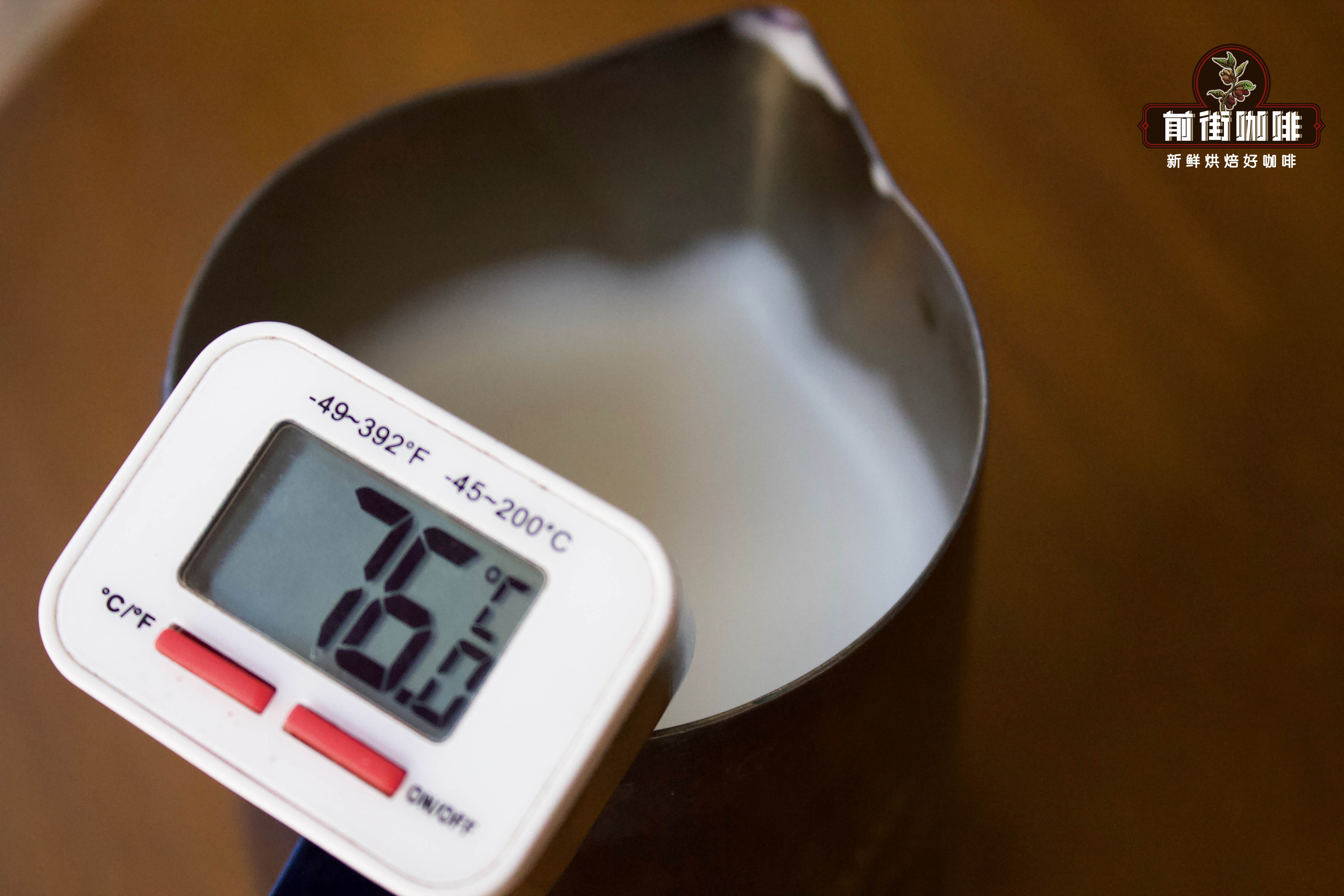
Which type of milk produces more long-lasting foam? A full guide to the milk-frothing process, techniques, and practical key points for beginners
When beginners practice latte art, milk foam is often difficult to froth or dissipates quickly. In fact, the choice of milk and the frothing technique both directly affect foam quality. Front Street Coffee, drawing on practical experience, has sorted out the differences between shelf-stable and chilled milk, and between whole and skim milk, and explains in detail the temperature control, operational details, and common issues of steaming milk foam. The article also analyzes how the ratio of milk to foam, personal skill, and standing time affect foam durability, helping coffee enthusiasts systematically master the key points for producing fine, dense milk foam. [more…]
A Beginner's Guide to Milk Steaming for Latte Art: A Complete Breakdown of Techniques from Theory to Practice
Want to create dense, smooth latte art milk foam at home, but keep getting discouraged by "over-whipped," "separated," or "can't pour a pattern"? Actually, milk frothing isn't as mysterious as it seems. As long as you understand the principles, choose the right tools, and master a few key details, even beginners can produce consistent results. This article starts with the formation principles of milk foam, then breaks down the three major factors in steam frothing: milk, steam wand, and pitcher. It also includes detailed hands-on steps and advanced tips, covering core points such as temperature control, aeration ratio, vortex frothing, and judging integration. Whether you use an espresso machine or a handheld milk frother, you'll find a practice direction that suits you. The article also retains relevant recommendations for the Front Street Coffee brand for coffee lovers to reference when purchasing. [more…]

Luckin Coffee partners with Mengniu Milk Deluxe to launch a limited-edition latte, introducing a slush machine to froth milk, sparking widespread discussion
Luckin Coffee has partnered with Mengniu's Deluxe milk brand to launch a limited-edition new drink, "Deluxe Exclusive Pasture Latte," priced from 14.9 yuan, or 17.9 yuan for an upsized cup, making it the most expensive item on the mini-program menu. The preparation method for this latte is quite distinctive: for the iced version, the espresso must first be stirred with Deluxe milk for 8 rounds, then poured into a smoothie blender and frothed for over ten seconds, and finally sealed in a cup with ice; for the hot version, the espresso is added to a milk pitcher, mixed with milk, and heated. However, feedback from the first batch of consumers indicates that the finished product does not have a dense layer of milk foam on the surface, and the taste is not much different from an ordinary latte. Staff explained that the milk foam dissipates very easily and recommended drinking it immediately at the bar. Front Street Coffee has noticed that this innovative process has sparked online discussions about "ritual" versus practicality. [more…]
Optimal Flavor Temperature Analysis for Milk Coffee: Latte Milk Foam Steaming Principles and Fusion Degree Assessment Standards
The key to a delicious latte lies in the fusion state of milk and coffee and the temperature when it enters the mouth. This article will systematically explain the scientific principles of milk foaming, the factors affecting the fusion degree of milk foam and coffee, and reveal the differences in milk foam durability at different frothing temperatures through experimental data. At the same time, it provides cause analysis and solutions for common problems in daily operation, such as milk foam not fusing and milk foam floating up during latte art. The article also combines the practical experience of Front Street Coffee to explain why around 60°C is the optimal flavor temperature range for milk coffee, and how to judge whether the milk foam fusion degree is up to standard. [more…]
The Essential Guide to Milk Frothing for Specialty Coffee: Milk Foaming Principles, Assessing Integration, and Optimal Temperature Explained
Milk foam is the soul of a latte and a cappuccino. In a proper latte, the milk foam should be thin and fine-textured, with a glossy surface, and go down smoothly. Drawing on Front Street Coffee's hands-on experience, this article systematically sorts out the basic principles of milk steaming, answers the most common questions when steaming milk—why the foam doesn't incorporate, and why the foam floats on the surface during latte art—and gives criteria for judging the degree of incorporation. At the same time, through comparison experiments at different temperatures, the article explains what temperature is most suitable for heating milk and why the foam rapidly collapses after exceeding 70°C. Whether you are a complete beginner or an enthusiast hoping to refine your latte art skills, you will find practical reference here. [more…]